


SUNDAY LOOK AHEAD
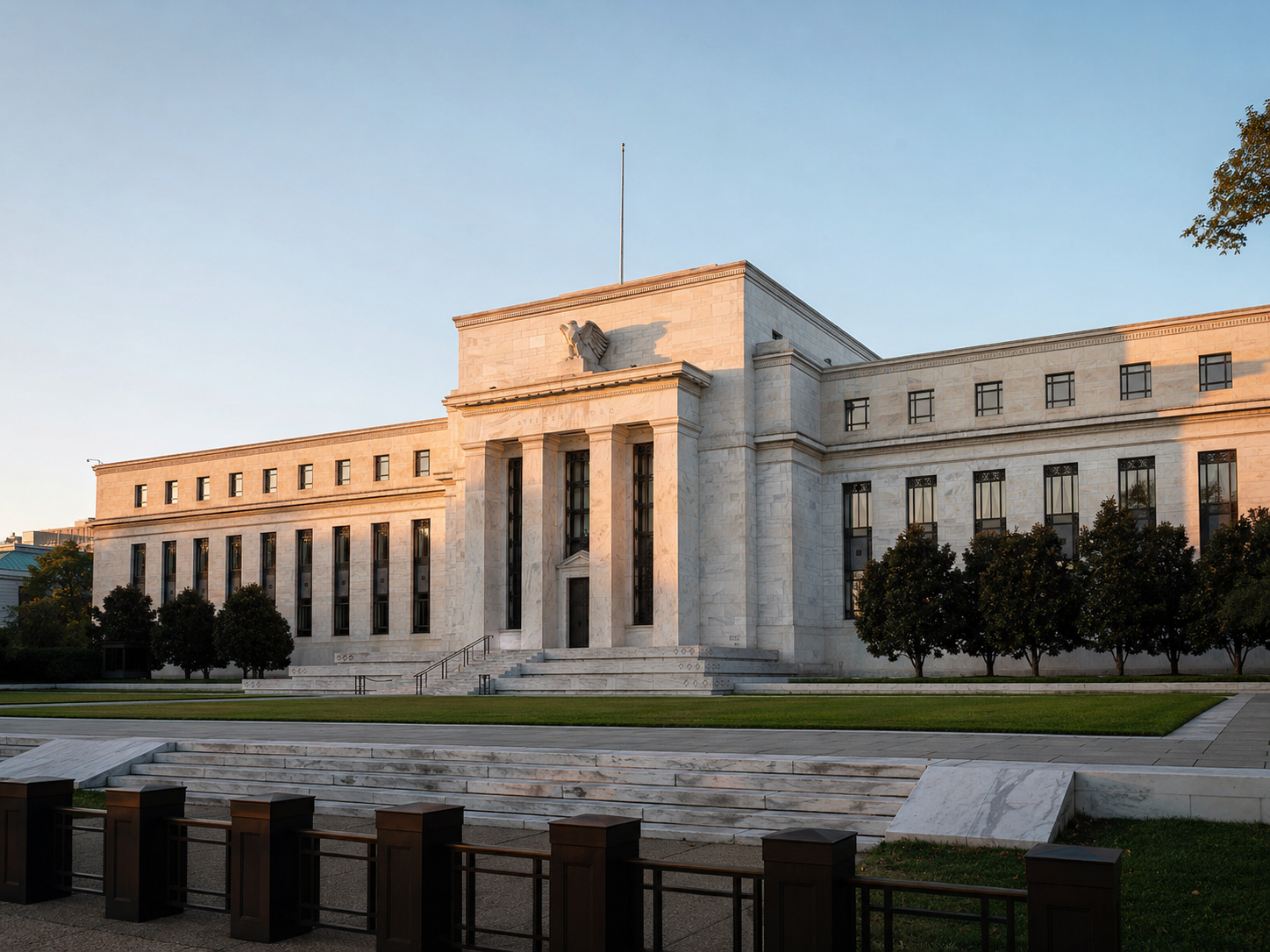
The Fed decides Wednesday with Brent near triple digits and a September hike priced as the base case. Microsoft and Meta report hours after the statement. Apple and Amazon follow Thursday. Then the evidence shows up late. PCE and GDP land the day after the decision, and the employment cost index closes the week. The heaviest week of the year runs its biggest tests out of order.
Last week the market split the AI trade in two.
The companies funding the buildout got sold. Alphabet (GOOGL) fell 7 percent on a record quarter after raising capex. Tesla (TSLA) fell 14 percent on a cash burn. The companies selling into the buildout got paid. Super Micro (SMCI) surged 24 percent on doubled margin guidance. Intel (INTC) posted its fastest growth since 2011.
Around the split, oil stopped fading. Brent crossed $100 for the first time since late May after attacks on Saudi tankers put the last clean reroute under threat. September hike odds reached 74 percent. A fresh round of tariffs on nearly all imports took effect Friday. That is the tape the Fed walks into.
Here is what to watch.
The REAL Reason 2,000 Missiles Rained on Iran
Forget terrorism. Forget oil prices. Forget everything the evening news told you.
After two private meetings with U.S. Congressmen on March 2nd — and weeks of digging into what those conversations uncovered — I'm convinced we launched those strikes for a completely different reason.
If you have even a single dollar invested in the U.S. stock market, what I've found will directly impact you — starting August 12th.
The First Genuinely Two-Sided Decision of the Cycle
The blackout ends Wednesday afternoon. The Fed has spent more than a week watching oil climb through the longest sustained rally of the war, hike odds build, and megacaps reprice. It has not been able to say a word about any of it. Now it says everything at once.
The market has done the arguing for it. Two months ago the curve priced cuts. Now it prices a September hike as the base case, with some pricing two by year end. Warsh built his hold case on the idea that AI price pressure is not structural. That frame was written for tech. It now has to survive a shooting war, a closed strait, and crude at triple digits.
The tariffs that landed Friday cut both ways. They add a second cost shock to the inflation picture. They also add a growth drag the Fed has to weigh against it.
Watch Signal
The first press conference question will be oil. Listen for whether Warsh defends the transitory frame or quietly retires it. Retirement without a hike is the middle path the market has not priced.
The Capex Template Gets Its Two Biggest Tests Hours After the Statement
Microsoft (MSFT) and Meta (META) both report after Wednesday's close. Alphabet set the template last week. Record revenue, a capex raise, and a 7 percent drop. Both names now walk into the same grading system with the Fed's fresh statement already in the tape.
Microsoft carries roughly $190 billion of planned capex into that test, one of the largest budgets in corporate history. Meta already gave its funding answer. It shifted the buildout to debt, with a $12 billion package led by BlackRock for its Texas data centers. The question is no longer how much they spend. It is how they fund it and when it pays back.
Earnings Signal
Watch the funding language, not the capex number. A raise financed by debt against contracted demand reads differently than a raise financed by shrinking free cash flow. The market proved last week it can tell the difference.
FREE Gold Ticker to Buy ASAP: (NYSE:___)
Jim Rickards – the world’s #1 gold expert – has just revealed one of his favorite gold plays… 100% FREE

As Jim sees it, we’re witnessing the biggest gold boom of the last 100 years – and those who keep their money on the sidelines are missing their chance at a fortune thanks to gold’s epic run.
But smart investors who get in now, could make 10X their money in the coming months.
The Last Hyperscaler Answer and the Only Megacap Without a Spending Problem
Amazon (AMZN) closes the hyperscaler capex window Thursday. Its number also settles the supplier trade. Super Micro's re-rating and Intel's record growth both assume the orders keep coming. Amazon is the buyer who proves it.
Apple (AAPL) reports the same day as the only megacap without an AI spending question. Its test is the consumer and the tariffs that took effect Friday. Of all the megacaps guiding this week, Apple has the most physical goods exposed to the new rates.
Earnings Signal
If Amazon raises capex and gets sold like Alphabet did, the buyer-versus-supplier split is confirmed as the regime. If it gets rewarded, the punishment was about proof, not spending, and the whole complex re-rates.
The Fed Decides Wednesday. The Evidence Lands Thursday and Friday.
The warmup is light. Durable goods and the Dallas Fed survey open the week Monday. Consumer confidence, Case-Shiller home prices, and the inventory data follow Tuesday.
Consumer confidence doubles as the first mood check since the new tariffs landed. Then the order inverts. PCE, the inflation gauge the Fed actually targets, prints Thursday. Second-quarter GDP prints the same morning, with jobless claims beside it. The employment cost index, the wage measure the Fed trusts most, closes the week Friday alongside Chicago PMI and Michigan sentiment.
Every number the decision is supposed to rest on arrives after the decision. A hot PCE the day after a hold makes Wednesday look late. A cool one the day after a hike makes it look early. The Fed votes first and finds out with everyone else.
Watch Signal
Friday's employment cost index is the first data an unfrozen Fed can react to in public. If wages run hot into $100 crude, the September hike stops being a probability and starts being a schedule.
WARNING: A Major Market Shift Could Hit Stocks in 2026
If you have any money in the stock market, you may want to pay attention.
New research points to a massive market-moving event that could send hundreds of popular stocks into a sudden free fall.
Holding the wrong stocks when this hits could erase years of gains.
That’s why analysts have now identified a list of stocks investors may want to avoid as this event unfolds.
If you want to see what’s coming — and which stocks could be most at risk —
Energy Reports Into Triple Digits. Staples Report Into the Split Consumer.
Chevron (CVX) and Valero (VLO) print into the first $100 Brent since May. Their guides show whether producers treat the level as durable or windfall. Coca-Cola (KO), Procter & Gamble (PG), and Mondelez (MDLZ) test whether $4 gas has reached the grocery cart. Visa (V) and Mastercard (MA) hold the cleanest spending data in the market and report into the same question.
Ford (F) walks into the subsidy cliff General Motors exposed last week, without the truck mix that saved its rival. Boeing (BA) reports into a rearming world. The chip toolmakers KLA (KLAC) and Lam Research (LRCX) test whether the supplier bid extends past servers into the machines that make them.
The quietest read may be the power grid. Southern (SO), AEP (AEP), and Dominion (D) all report into the same data center demand the megacaps are being punished for funding. Equinix (EQIX) sits one layer up, leasing the buildings that capex pays for. If the utilities raise their load forecasts while the buyers get sold, the buildout is outrunning the stock market's patience, not the physical demand.
Sector Read
The staples prints are the quiet tell. If pricing power holds at Coca-Cola and Procter while unit volumes slip, the K-shaped consumer is now the whole consumer. That lands on every retail guide in August.
AI CEO Issues Code Red: Prepare for Meltdown
The CEO of this AI company (click here to get the name, 100% free) just issued a CODE RED in an internal memo…
Warning his employees that they’re dealing with a critical situation.
Another company executive even implied they might need a government bailout.
And now Jim Rickards is predicting this company is about to go bust, in a full-blown AI meltdown that could be 10 times bigger than Lehman Brothers.
The order of events is the story. The Fed votes Wednesday afternoon. Microsoft and Meta report Wednesday night. The inflation and growth data arrive Thursday. The wage data arrives Friday. By the close on Friday the market knows whether the decision matched the evidence. The Fed finds out with everyone else.
Two forks run through the week. If the Fed holds and oil holds triple digits, September inherits everything this meeting deferred, plus two more months of war premium. If it hikes and Thursday's PCE comes in cool, the market spends August pricing a policy mistake.
Either way, the buyer-versus-supplier split faces its final witnesses. Microsoft, Meta, and Amazon are the buyers. Their capex lines decide whether last week's re-rating was a repricing or a warning.