The week opened with relief. It ended with a higher price on money.On Monday, the S&P 500 rose 2.4%, its best day since April. The VIX fell to 19.92 from 28.18 the Thursday before. Stocks had decided the chip scare was over. Rates never joined in. Core consumer prices rose 0.3% in October for a third straight month. That was the exact line one Fed governor had drawn for a bigger hike. By Thursday, the 2-year yield stood at 4.86%, up 40 basis points from a week earlier. The fed funds target still sits at 3.75% to 4%. Friday's producer prices did not reverse it. Prices rose 0.3%, a tenth below forecasts. Core matched its 0.3% forecast. The 10-year still traded above 5.15% Friday morning. The rest of the tape lined up behind rates. The dollar hit its highest level since April 2025. Gold and bitcoin fell. Small caps lagged. The market decided three things. Inflation now sets the pace of hikes, not just the direction. Leadership risk at Nvidia is one company's problem. And AI builders get paid for dates, not records. Every stock on this list carries a high consensus rating across Wall Street and has passed our strict criteria: - Robust analyst coverage
- Market cap of $5 billion or more
- Full bull and bear case built from MarketBeat data and recent news
Today, you can get the complete list absolutely FREE. 👉 Send My Free Report The 2-Year Did the Fed's WorkThe front end moved first and moved most. The 2-year rose 17 basis points on Tuesday alone, to 4.73%. It closed Thursday at 4.86%. Fed Governor Christopher Waller set up the move hours before the report. If core ran "around 0.3 percent or even higher," he said, a half-point December hike "should be considered." Core came in at exactly 0.3%. The size debate showed up in odd places. Kalshi's contract on a quarter-point hike fell to 80 cents within a minute of the print. That looked dovish. It was the opposite. The contract pays only on 25 basis points, so rising odds of a 50 drained it. By Friday morning, CME FedWatch put half-point odds near 10% to 15%. A week earlier they were zero. On Thursday, about 140,000 Kalshi contracts traded at once against a hike of exactly a quarter point. Officials agree on direction, not pace. Cleveland's Beth Hammack said "more frequent, smaller rises" are easier to manage. Futures now price a longer run of quarter-point hikes. The bond market tightened ahead of the Fed. Short rates now price a faster path than officials have promised. Each data print is a vote on pace. Treasury Auctions Found Different BuyersSupply met a rising yield, and the buyer base shifted. Tuesday's $42 billion 10-year sale cleared at 5.020%. Bids covered it 2.46 times, down from 2.77 in October. Indirect bidders, the group that includes foreign buyers, took 61.2%. In October they took 80.3%. Dealers were left with 9.8%, up from 2.5%. Thursday's 30-year sale told a similar story. It cleared at 5.441%, and cover fell to 2.36 from 2.54. The 10-year rose 12 basis points that day to 5.10%. Yields rose abroad too. Japan's 10-year rose 11 basis points to about 2.8% on Wednesday, while U.S. cash bonds were shut. Still, the curve says the Fed did most of the lifting. Shorter yields rose more than the 30-year. The 2-year rose more than twice as much over the week. The long end has two problems now. One is the Fed path. The other is who absorbs the supply. If foreign demand stays light, term yields can rise even when the Fed is quiet. Why Did Trump Just Ban America's Most Powerful AI?It's not Nvidia. It's not OpenAI. It's not Google. It's a San Francisco AI lab whose technology is used by eight of the ten largest companies in America — and which Bloomberg calls the highest-revenue AI company on earth. Trump banned it from every federal agency and the Pentagon blacklisted it. The reason isn't what you think. Full details here. The Dollar Priced It While Bonds Were ClosedOn Veterans Day, cash Treasurys were shut. Currencies did the work. The dollar index gained 0.7% that day. The dollar rose to 159.7 yen. By Thursday it had passed 160, the first time since early September. The dollar index closed at its highest since April 2025. Then came a reminder. The New York Fed confirmed that the U.S. Treasury bought 79.4 billion yen, about $500 million, on July 31. It was Washington's first yen purchase since 1998. Japan spent 15.4 trillion yen over three days. Assets that pay no income took the hit. Gold fell below $3,900 on its third straight losing day. Bitcoin slipped below $70,000 after Thursday's close. Small caps felt short rates too. The Russell 2000 fell 1.7% Thursday. A higher cost of money showed up across assets at once. The dollar led, and gold and bitcoin followed it lower. Near 160 yen, anyone short the yen may now face two treasuries, not one. Nvidia's Discount Stayed With NvidiaThe week's biggest single-stock story never became a chip story. On Monday, the Philadelphia chip index rose 6.9%. Nvidia (NVDA) fell 4.3%. Its board had opened a probe into Jensen Huang on Sunday and said it had confidence in him. The exit odds climbed all week. A Polymarket contract on his exit by Dec. 31 sat near 14 cents early Tuesday. It traded above 70 cents early Thursday. Huang resigned Thursday. Finance chief Colette Kress became interim CEO. The stock opened about 13% lower, then closed down 4.3%. About two-thirds of the opening loss came back. Rivals rose that day. AMD (AMD) and Broadcom each gained more than 5%. Baird had already cut Nvidia to Neutral and its target to $200 from $500. Gains at rivals pointed to a discount on Nvidia's leadership, not on chip demand. The market split one question into two prices. Chip demand stayed bid. Nvidia's governance took the discount. The answer cost less than the wait. The REAL Reason Trump Is Invading Iran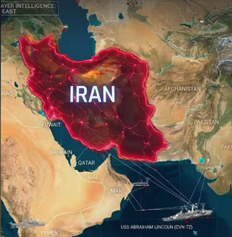
For a moment… Forget about Trump’s ties to Israel. Forget about reports of Iran’s nuclear program. Because my research has led me to believe we’re risking World War 3 with Iran for a completely different reason. Click here to find out what it is. If you have even a single dollar invested in the U.S. stock market, this is going to directly impact you. Discover the reason here. AI Builders Got Paid for Dates, Not RecordsAI hardware and cloud names posted big numbers. The tape paid only for forward dates it could check. CoreWeave (CRWV) beat and raised. Backlog reached about $132.5 billion. It plans to fund the build with about $9 billion of customer prepayments and deposits. The stock jumped 24.7% Wednesday, then fell about 7% Thursday. The cost sits under the build. Its interest bill was $846 million last quarter, about four times its GAAP operating income. Nebius reported revenue up 571%. It also raised spending and moved its revenue target to February from December. The stock fell about 17%. The same rule held in chip gear. Applied Materials guided about 2% above forecasts and fell 3.6%. Cerebras guided about 18% above forecasts and traded about 17% higher Friday morning. A record quarter earned little. A wide guidance surprise earned a lot. A delayed date cost the most. Spending comes before payback, and the interest comes due first. Bitcoin Lost Its Passive BuyersTwo sources of steady bitcoin demand shrank in the same week. U.S. spot bitcoin funds posted outflows five days in a row through Wednesday. They are on track for their first year of net outflows. Then MSCI confirmed that Strategy (MSTR) will leave its USA, World and ACWI indexes at the Nov. 30 close. Funds tracking MSCI hold about 3% of its shares, Strategy has said. Strategy funds its bitcoin mostly by selling stock. Miners turned sellers too. MARA (MARA) sold 13,597 bitcoin after the quarter ended, about 40% of its holdings. It repaid all of its coin-backed loans. The stock rose 10.5%. Hedgers moved first. On Derive, traders priced a 31% chance that bitcoin ends below $70,000 at Christmas. A week earlier it was 15%. Bitcoin slipped below $70,000 after Thursday's close, its lowest since August. Strategy's coins cost $75,451 on average. The market rewarded crypto balance sheets that shrank and charged the ones still adding. With fewer natural buyers, flows now set the price more than headlines do. AI Found the Target. AI Designed the Drug. Now It's in Phase III.For years, AI drug discovery had a problem. Plenty of models. Very few medicines.
That's changing. One company says AI identified the biological target and then designed the molecule to hit it. In September, the first patient in its Phase III trial was dosed.
It isn't alone. A second AI-engineered medicine is in Phase III, and Big Pharma is now paying for the technology.
We profiled the 5 companies pushing AI into real drug development in a new FREE Special Report: AI Moves Into the Biotech Lab.
We'll text it straight to your phone. Get the Free Report by Text → |
|