Stocks Finished the Week Higher. Oil Fell. Iran Talks Hit a Technical Stage.The Dow closed up 0.9%. The S&P gained 0.5%. The Nasdaq added 0.5%. WTI fell 2.3% to settle at $92.41. The 10-year yield touched 5.23% intraday before settling at 5.17%. Iran-US sideline talks in New York moved to a "technical stage." Oil fell on the word. The curve split. The 2-year fell 6 basis points to 4.81% and the 5-year fell 5, as October hike odds eased. The 30-year rose to 5.54%. The front end relaxed. The long end did not. Polymarket has the range. Traders put the 10-year above 5.2% before year-end at 91%, up 42 points this week. Above 5.3% sits at 70%, up 20. Above 5.5% fell 25 points to 24%. The floor moved up and the ceiling moved down in the same week. Consumer sentiment landed at 48.1 for September. One-year inflation expectations hit 4.6%, the highest since June. The economy keeps producing. The consumer is losing confidence in it. That split is exactly what makes the Fed's next move harder to call. TQ Trade ImplicationA technical stage in diplomacy is closer to a deal than an unnamed source report. But it is not a signed document. Oil moved on the word. Bonds moved less. Watch whether any official US or Iranian channel confirms the framework over the weekend. That confirmation is what converts the WTI move into something durable. There's a website called RentAHuman.ai. Its tagline: "Robots need your body." 721,000 people across 100 countries have signed up. And according to Alexander Green - the man who bought Apple under $1, Netflix at $1.62, Amazon under $2* - this is the clearest signal yet that Phase 2 of the AI supercycle has arrived. (Split adjusted prices) He's identified three companies set to dominate this next phase. CLICK HERE TO WATCH THE FULL STORY FOR FREE Saudi Arabia Exported 6 Million Barrels a Day in September. The Highest Since the War Began. Saudi crude exports surged to 6 million barrels per day in September, up nearly 80% from 3.4 million in August, per trade intelligence firm Kpler. That is the highest export volume since the Iran war began in February. The kingdom has fully recovered to its pre-war monthly average despite the East-West pipeline being knocked out by drone strikes earlier this month. The Saudis rerouted. Ship-to-ship transfers near Oman, alternative Red Sea cargoes, and additional tanker routes recovered what the pipeline lost. Physical supply is moving even while Hormuz remains effectively restricted. This is the structural split at the core of the oil market. Saudi exports at a seven-month high should push WTI lower. It has not, not sustainably. Crude is reaching buyers. What stays expensive is the trip. Six million barrels a day and WTI above $90 is the answer to a question the market has asked all month. The barrels were never the shortage. The ships were. A deal that reopens Hormuz returns the tankers before it returns the oil, which is why the freight premium moves first in either direction.Elon's audacious plan to double U.S. energy, without building a single new power plant… People think he's crazy. But Adam O'Dell says he's already deployed 4,000 units of his solution across 14 states — and used them to power the largest supercomputer on the planet. With Microsoft, Amazon, Google and Facebook set to spend $680 billion this year on AI data centers that can't get enough power to run, Elon's solution is about to be in extraordinary demand. Go here now to see how he's going to do it — and get one of Adam's top picks to play it absolutely free. Meta Fell 3% on Friday After a 30% September. Muse Has 3.4 Million Downloads.Meta Platforms (META) slipped more than 3% on Friday after gaining more than 30% since the start of September. The pullback came on profit-taking. Muse has been the top app on Apple's US App Store since last Friday. It has been downloaded more than 3.4 million times. Zuckerberg announced a handheld keychain device called Muse Charm and added Muse to Meta's smartglasses at Connect earlier in the week. The 3% Friday pullback after a 30% month is not a sentiment reversal. It is a normal clearing after a one-directional week. Institutional holders used a broad up-day to trim, not exit. The product data is still clean. Cleveland Fed President Hammack said Friday that "the biggest risk is that an inflationary mindset could start to set in." Meta gaining 30% in a month where the 30-year kept climbing and consumer sentiment hit 48.1 is the specific version of that mindset showing up in AI equities. Two markets read the same economy differently this month. Meta added 30% while the 30-year rose and sentiment hit 48.1. Hammack warned Friday about an inflationary mindset taking hold. In AI equities it already has, and a 3% Friday is what trimming looks like, not doubt.They recommended Amazon, Microsoft, Nvidia, Palantir, and more…Now, two financial legends have joined forces to show Americans how to protect and grow their wealth… Because as they reveal, Artificial Intelligence is about to change everything during America’s New 1776 Moment. 
Click here for the full story... PE-Linked Insurers Hold $321 Billion in Affiliated Investments. Half Belongs to 10 Firms.A new report from the National Association of Insurance Commissioners found that life insurers hold $321 billion in affiliated investments. About half of that total belongs to just 10 insurers with private equity relationships. Those 10 PE-linked firms account for 95% of affiliated asset-backed securities industrywide. The report came after two insurers controlled by Dodgers owner Mark Walter disclosed they had failed to properly report a combined $20 billion in affiliated holdings after receiving federal subpoenas. The NAIC report is a response to that disclosure gap. This is a systemic opacity problem, not just a one-company story. PE firms have spent years buying insurance companies and loading their portfolios with private credit and alternative investments. The insurer holds the risk. The PE firm earns the fee. The policyholder does not know what backs the policy. The NAIC is now mapping that exposure for the first time in a structured way. TQ Execution BiasInsurance liabilities are priced on the assumption that someone can see the assets behind them. The NAIC just found $321 billion that nobody was mapping, with 95% of the asset-backed piece sitting inside ten PE-linked firms. Security Benefit, Athene and Commonwealth carry elevated concentrations. A disclosure standard would not change what they own. It would change what the market can price. - Wendy's (WEN) is down 21% year-to-date and Loop Capital cut its price target to $11 from $13 after same-store sales fell 7% to 7.5% this quarter. A franchisee filed for bankruptcy last week. The new CEO is planning an October menu revamp to replace the Biggie Bags value platform. McDonald's (MCD) fell to 2022 lows this week and Darden guided lower. Three restaurant names, three sessions, same message.
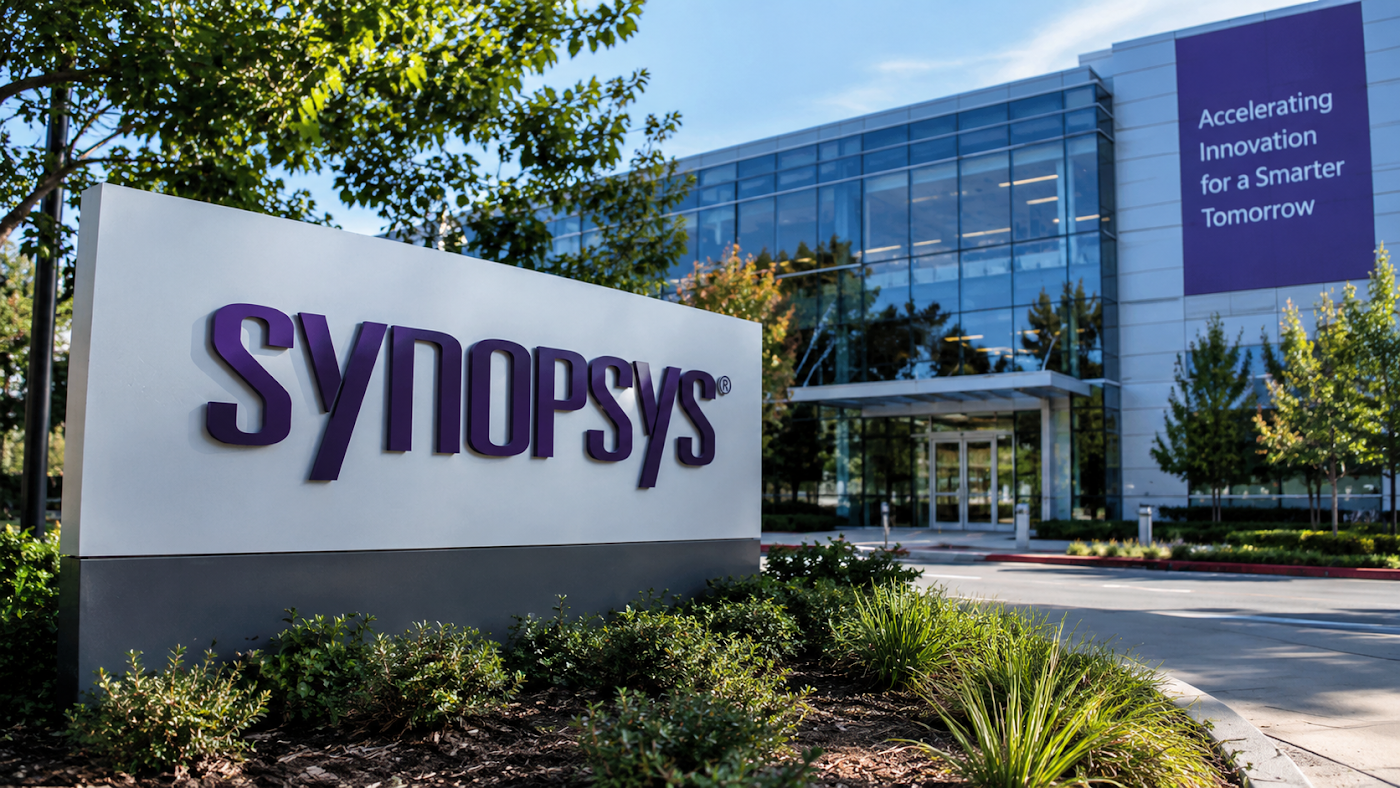
- Synopsys (SNPS) gained 3% after HSBC upgraded it to buy, calling it a "high-growth AI beneficiary." Synopsys makes chip design software. As AI chips get more architecturally complex, the software needed to design them grows more valuable. Synopsys sits at that bottleneck.
- Genius Sports (GENI) jumped 13% after JPMorgan initiated coverage with an overweight rating. JPMorgan highlighted what it called a "scarce combo" of above-market growth, strong execution, improving free cash flow, and attractive valuation in the sports data and technology space. Sports data licensing is one of the few non-AI technology verticals posting consistent growth in a week when most tech either ran on AI news or pulled back without it.
The week closes with three different stories about who is adapting and who is not. Saudi Arabia rerouted its oil and hit a seven-month export high. Meta built a product the market paid 30% for in a single month. PE-linked insurers accumulated $321 billion in affiliated investments that regulators are only now mapping. Yields ended the week at 19-year highs, with the front end easing and the long end still climbing. Consumer sentiment at 48.1 says the household reading of the economy has separated sharply from the index level. The Hormuz technical stage is real. So is the fact that June's memorandum already collapsed once. Monday brings official US-China negotiation details per Greer. PCE lands September 30. Next week prices whether this week's repricing was the peak or the floor. 3 Stocks at a Major Turning PointSomething unusual is happening beneath the surface of three widely followed stocks.
In each case, the fundamentals are saying one thing... while institutional activity, management signals or the options market are saying something else. That kind of disagreement can matter. Because when the evidence stops lining up, the next move in the story often comes down to a handful of signals most investors never think to watch. Our new FREE Market Tell Special Report breaks down three of these situations, and shows you exactly what we’re watching next. Get the Free Report: 3 Stocks at a Major Turning Point → |
|