Stocks Fell. Yields Hit Near 24-Year Highs. Three Separate Stories Moved the Tape.The S&P fell 0.8%. The Nasdaq dropped 0.9%. The Dow shed 0.7%. WTI closed near $93 after spiking over $96 at the open before pulling back on the resumption of loading of tankers at the port of Yanbu. The 10-year yield touched 5.272% intraday, approaching levels not seen since May 2002. The 30-year topped 5.55%. Stocks came off their lows midday on the Iran sanctions report but could not hold the bounce. Twenty-eight S&P 500 stocks hit new 52-week lows. Only three hit new highs. Deutsche Bank said the mega-cap tech rally that started in late July still has room to run. Oppenheimer called the current environment a path to a "new normal." The market closed consistent with neither of those reads. TQ Trade ImplicationThree stories moved today. Meta into enterprise, Boeing's glitch, and Cook's Fed comments. None of them are about oil or yields, which tells you the market has more to process this week than just the macro setup. Watch how the software sector opens tomorrow after today's repricing. I've Read a Lot of Mining Filings. They All Sound the Same.This one stopped me cold. Sitting in the filings of one small American gold company is a phrase I have never seen on a gold project: substantial support and partnership from the Department of War. The Department of War does not partner with gold miners. Except it's partnering with this one. Here's why. The deposit carries a second metal — one China formally banned from export to the United States. The only domestic reserve of it in the country. Gold for the dollar war. The banned metal for the shooting war. Both from the same pit. Washington didn't stop at words. On May 21, 2026, a federal bank voted unanimously to lend nearly $3 billion to build it. Congress got 25 days notice. Nobody objected. When final papers are signed, funding risk goes to zero — and Wall Street re-rates the stock from speculative developer to federally backed strategic asset. The company is about one fiftieth the size of Newmont. Read the filing for yourself Meta Hired MongoDB's CEO for Enterprise AI. Software Stocks Fell Immediately.Meta Platforms (META) hired CJ Desai, the CEO of MongoDB (MDB), to lead its new enterprise AI initiative. MongoDB stock tumbled on the news. Desai had been in the role for less than a year. The software sector felt it immediately. The S&P 500 Software index fell nearly 2%. Atlassian (TEAM) dropped more than 5%. Salesforce (CRM) fell more than 2%. Snowflake (SNOW) and Workday (WDAY) both slipped. The market repriced the competitive threat before Meta has disclosed a single enterprise revenue number or signed a single enterprise customer. This is the same pattern Muse created two weeks ago in financial advisory stocks. One hire, one announcement, immediate sector repricing. Meta's consumer AI agent hit number one on the App Store and took down Schwab and LPL. Now Meta's enterprise hire took down Atlassian and Salesforce. The company is moving into every high-margin software category simultaneously. Watch MongoDB's next quarterly earnings report for any disclosure on the leadership transition and its impact on product roadmap. Desai's departure is abrupt. That kind of exit can signal a board-level strategic shift. If MongoDB accelerates its own AI product development in response, the competitive dynamic between the two companies gets more specific.
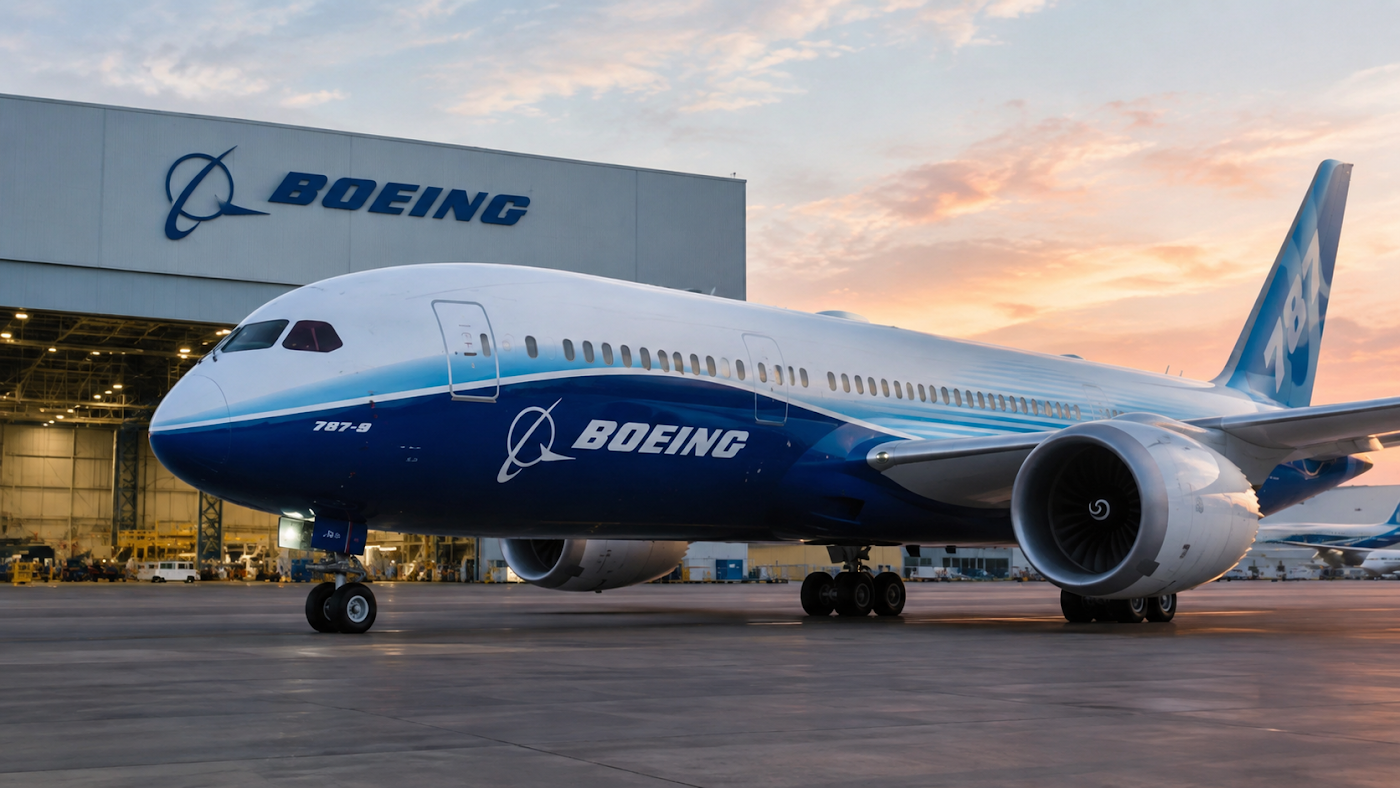
Renowned tech investor James Altucher – the man who called the rise of Nvidia, Apple and SpaceX years in advance – just uncovered Elon Musk’s latest breakthrough idea… And according to James, it’s going to be even bigger than the SpaceX IPO – creating up to 1.8 million new millionaires over the coming years. The pieces behind it are inside this briefcase – which he reveals 100% FREE in this video. Click here now for all the details. Boeing Confirmed a 737 MAX Software Glitch. The Next Jet Model Is Affected.Boeing (BA) shares fell about 5% after the company confirmed a software issue on its next commercial jet model. The glitch can cause an automated navigation system to cut out during some aborted landings. Boeing notified airlines in August but the news reached the public through a WSJ report Saturday. This is Boeing's specific liability in 2026. The company has spent years rebuilding trust after the 737 MAX crashes. It is mid-production ramp on new models. Any software safety disclosure triggers the same question from airlines, regulators, and the market: is this isolated or systemic? Boeing said it is working to fix the issue. The jet remains in production. But "working to fix" and "confirmed software glitch" in the same sentence, on a new model, at a company with Boeing's recent history, is why the stock moved 5%. Airlines are already under pressure from fuel costs. A Boeing software disclosure adds delivery timeline risk on top of that. Watch whether any airline announces a delay or pushback on new Boeing deliveries in the next two weeks. That is the specific downstream impact that would confirm the glitch is affecting commercial schedules, not just regulatory review.The Closest Thing to a Virtual AI Monopoly Wall Street Is Ignoring
A little-known company is building what may be the closest thing to a virtual monopoly the AI era has ever seen. Only 3... Yet it beat Apple, Amazon, and the S&P 500 combined... While paying out $146,000 in total dividends on a 1,000-share stake. Kevin O'Leary calls what it controls a "unicorn." Right now, it's trading at a rare discount. >>>Whitney Tilson reveals the name, completely free.<<< This ad is sent on behalf of Stansberry Research, 1125 N Charles St, Baltimore, MD 21201. If you would like to optout from receiving offers from Stansberry Research please click here. Fed Governor Cook Said AI Is Adding to Inflation Now, Not Reducing It.Federal Reserve Governor Lisa Cook delivered a speech today saying AI is unlikely to reduce inflation in the near term. She cited three specific sources of continued price pressure: the AI buildout itself, the pass-through of higher oil prices, and supply chain disruptions from the Iran war. Cook said AI could eventually be disinflationary if it raises productivity without raising demand. But she said that impact would be "modest" and is not happening now. She supported the September rate hike and signaled data could warrant additional moves. This is the structural argument the bond market has been pricing all month. The AI buildout that has driven stock gains is simultaneously driving up wages, energy demand, and construction costs. It is inflationary on the input side while its productivity benefits have not yet shown up in the output side. Cook is the first Fed official to name the AI buildout directly as an inflation contributor, not just a growth story. TQ Edge SetupCook's argument separates the AI trade from the rate environment in a specific way. AI spending causes inflation. Inflation causes hikes. Hikes eventually compress the multiples of AI stocks. The market has been treating these as parallel tracks. Cook's comments suggest they are on a collision course. Watch whether other Fed officials adopt the same framing ahead of November's meeting. - Kodiak Sciences (KOD) surged more than 170% after its experimental eye drug Zenkuda matched Regeneron's (REGN) blockbuster Eylea in a Phase 3 trial. More than half of Zenkuda patients went six months between eye injections versus Eylea's typical two-month schedule. Kodiak plans to seek FDA approval in Q4. Less-frequent dosing is the commercial differentiator that makes a drug viable in a crowded market.
- A Senate investigation found that wallets sanctioned for Iran ties overwhelmingly used Tether's USDT stablecoin. The finding lands one week after the SEC opened tokenized stock trading and the CFTC proposed crypto market rules. A Senate report linking a major stablecoin to Iran sanctions evasion adds a specific legal risk layer to USDT that the broader crypto regulatory framework was not pricing.
- Institutional investors are holding while retail exits. data shows big money has been steady through the yield surge while individual investors move to the sidelines. AAII bearish sentiment hit a 16-month high two weeks ago. Retail is reducing exposure. Institutions are not. That positioning gap is the setup heading into PCE Wednesday and the jobs report Friday.
Three stories today that have nothing to do with each other landed into the same down session. Meta's enterprise hire repriced a sector. Boeing's glitch raised the same question the company has answered before, badly. And Cook gave the market a framework for why the AI trade and rate hikes are not separate conversations. PCE prints Wednesday. Micron (MU) reports Wednesday evening. The jobs report lands Friday. Each of those numbers lands into a market where the Fed just named the AI buildout as an inflation driver, and where the software sector just got a new competitor that does not need to raise debt to fund its expansion. 3 Stocks at a Major Turning PointSomething unusual is happening beneath the surface of three widely followed stocks.
In each case, the fundamentals are saying one thing... while institutional activity, management signals or the options market are saying something else. That kind of disagreement can matter. Because when the evidence stops lining up, the next move in the story often comes down to a handful of signals most investors never think to watch. Our new FREE Market Tell Special Report breaks down three of these situations, and shows you exactly what we’re watching next. Get the Free Report: 3 Stocks at a Major Turning Point → |
|